


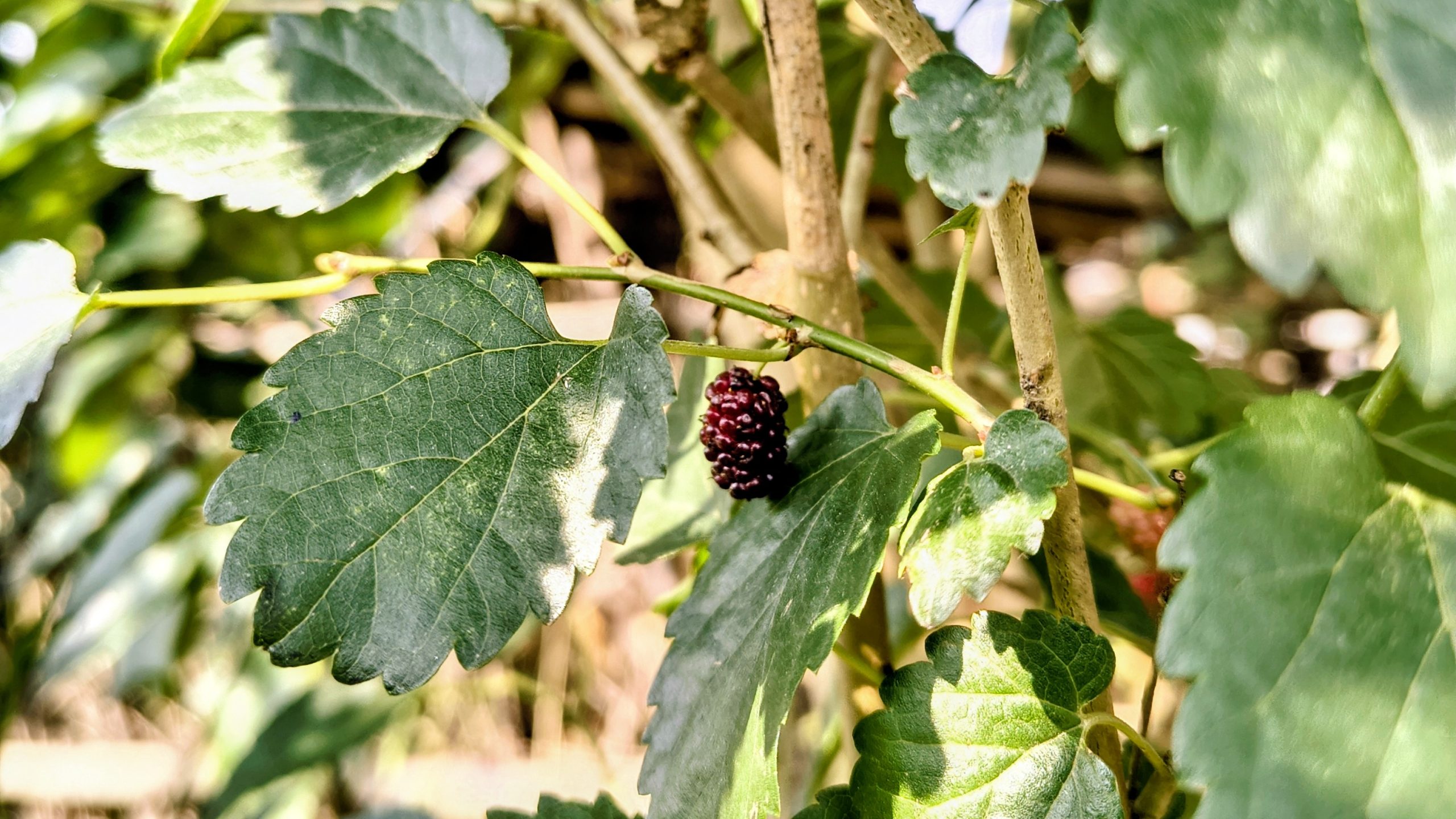
Mulberry Fruit: Nutrition, Medicinal Properties, and Uses

Mulberry, a delicious and highly nutritious fruit, is widely known for its health benefits. Its scientific names include Morus alba (white mulberry) and Morus nigra (black mulberry). This fruit is found in various parts of Nepal and typically ripens during the summer season. It is considered very beneficial for overall health.
Mulberries are rich in essential nutrients. They contain high amounts of vitamin C, vitamin K, iron, calcium, potassium, fiber, and antioxidants. Vitamin C helps boost the immune system, while iron prevents anemia by improving blood production. Calcium and vitamin K are important for strengthening bones. Fiber supports a healthy digestive system, and antioxidants help fight free radicals, slowing down the aging process.
From a medicinal perspective, mulberries are highly valuable. Regular consumption may help control diabetes by maintaining balanced blood sugar levels. Additionally, mulberries support heart health by reducing the risk of cardiovascular diseases, controlling blood pressure, and lowering cholesterol levels. The leaves and bark of the mulberry tree are also used in traditional Ayurvedic medicine, especially for treating cough, fever, and inflammation.
Mulberries can be consumed in various ways. They can be eaten fresh or used to make juice, jam, jelly, syrup, wine, or dried as a snack. In some places, they are also used in desserts and sweet dishes.
Mulberries are particularly beneficial for conditions like anemia, digestive issues, heart diseases, high blood pressure, and skin problems. They also provide energy and help reduce fatigue.
In conclusion, mulberry is a fruit rich in taste, nutrition, and medicinal properties, making it a valuable addition to a healthy daily diet.